
"flavor grading"
20000 article(s) found

How are the boutique coffee beans graded? Coffee origin Ethiopian coffee bean grade discrimination
Sometimes we will see English and numbers, G1, G2, G3, AA, PB, SHB, SHG, HB and so on. Today, we will introduce the coffee bean grade of Ethiopia. It uses G1, G2, G3, G4, G5 and so on. To grade it. So what are their standards? The grade of coffee beans is usually based on the defect rate and the size of beans.

Elegant fruity wine-scented Ethiopian Yega Fischer Manor Coffee Flavor production area
The grading system of Ethiopian coffee is not based on the number of items, but on the proportion of defective beans in raw beans. In October 2009, Ethiopia launched the ECX boutique coffee trading grading system. Through the evaluation of raw beans, Q-Grader made the following grades: washed Yega Xuefei is divided into two grades: Grade 1 and Grade 2, sun Yega Xuefei is divided into Grade 1,

How are Ethiopian coffee beans graded? What's the difference between G1 and G3?
Professional coffee knowledge exchange more coffee bean information Please pay attention to the coffee workshop (Wechat official account cafe_style) often see Essel beans packaging written on what G1, G2, G3, what do these represent? What is the difference between them? The grading of Ethiopian coffee beans first of all, the Ethiopian Ministry of Agriculture has a person called CLU (Cupping and Liquoring Unit).

Introduction to the flavor and taste characteristics of Ethiopian coffee manor with rich floral flavor
The nose is characterized by strong floral, fruity, sour and sweet aromas, but the alcohol is slightly thicker or less dense. The biggest disadvantage is that it is easy to bake unevenly, especially sun-dried beans. Even the best Grade3 Harald sun-dried beans often show uneven color, which is the biggest defect of Ethiopian beans, but the good thing is that it does not affect its good flavor. For coffee fans, don't worry about what the beans look like.
Elegant fruity wine Ethiopian Yega Sheffield Adordo Coffee Grade Flavor description Manor
1. Planting system and environment the mountain stream village in the Yega Xuefei producing area is cool and foggy, like spring all the year round, with a gentle breeze in summer, cool but not hot, rain but not damp, and no cold damage in winter, which is the best environment for planting Arabica. There are no large coffee plantations. Coffee farmers mix coffee with other crops, usually under banana trees, to form a unique landscape. 2. Deal with

Description of graded taste and flavor of sun Yerjia and Xuefei
Following Kaipai (Wechat official account vdailycom) found that the beautiful cafe opened its own shop, Yirga Cheffe, which is a small town in Ethiopia, nearly 2000 meters above sea level. Here has been a wetland since ancient times, Lake Turkana, Lake Abaya, Lake Chamo bring a moist and warm climate, walking on the mountain path, foggy and breezy. Vbl.

Introduction to the Flavor of Ethiopian Coffee planting method Grade and Grade Yega Chuefei
Ethiopia is the first country to discover coffee, and it belongs to the most important producing country in terms of coffee quality and output, with an annual production of about 350000 tons. Ethiopia is famous all over the world for its mocha beans in Hara, of which Yirgacheff is an Allah produced by Sidamo in the south in a small area with an altitude of 1700 to 2100 meters above sea level.

Ethiopian coffee beans are graded system Ethiopian coffee beans story and flavor
Following Kaibei (Wechat official account vdailycom) found that the Cafe Beautiful opened a small shop of its own Ethiopia Coffee beans divided into five levels. The first and second stages are washed beans. Washed beans Grade1 represents 3 defective beans per 300g raw beans, and Grade2 represents 4 defective beans per 300g. Gradc1 grade water washed beans are very rare and are generally difficult to buy.

Yega Sheffield Wauka Coffee beans Flavor characteristics of Yega Chuefei Water washed Wauka Coffee beans
Yega Xuefei's coffee trees were planted by European monks (somewhat similar to Belgian monks who advocated planting wheat and brewing beer), and were later transferred to farmers or cooperatives. Yega Xuefei is actually built by surrounding coffee communities or cooperatives, including Edido, Hafusha, Hama and Bdon near the Fog Valley. Most coffee beans are washed with water, but also

Comparison of coffee flavor between Yega Xuefei and major producing areas the highest grade Kenyan coffee AA++
When you buy coffee beans, you will see descriptions of different coffee flavors, using adjectives such as tropical fruit, caramel, nuts, cocoa and so on. These descriptions of coffee flavor are all derived from the coffee flavor produced by SCAA (Specialty Coffee Association of America).

Strong fruit flavor of Yega Chefevoca Coffee Flavor description Variety treatment method Grinding degree
The grading system of Ethiopian coffee is not based on the number of items, but on the proportion of defective beans in raw beans. In October 2009, Ethiopia launched the ECX boutique coffee trading grading system. Through the evaluation of raw beans, Q-Grader made the following grades: washed Yega Xuefei is divided into two grades: Grade 1 and Grade 2, sun Yega Xuefei is divided into Grade 1,

Grade of Ethiopian coffee | ECX rating and scoring criteria? Special selection of ECX in Yega Xuefei producing area
Professional coffee knowledge exchange more coffee bean information please follow the coffee workshop (Wechat official account cafe_style) the grade of Ethiopian coffee | ECX grading and scoring criteria? Yega Xuefei production area ECX specially selected washing G1 flavor? Ethiopian washed coffee Yega Chuefei G1 G2, the highest levels of Cedamo (Yirgacheffe, Sidamo) are level 2 and 3 (G2, G3)

Yegashefi Woka Cooperative Coffee Bean Features Yegashefi Coffee Production Area Distribution
Professional barista communication Please pay attention to coffee workshop (Weixin Official Accounts cafe_style) Yirgacheffe refining method is mostly washed refining method, placed in washing tank for about 72 hours fermentation shelling, directly dried outside the factory. Its raw beans
Kenyan coffee grading system Kenyan specialty SL28&34 coffee varieties Kenyan coffee origin
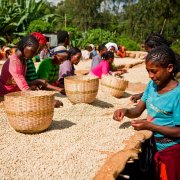
Professional coffee knowledge exchange more coffee bean information please follow the coffee workshop (Wechat official account cafe_style) Kenya Coffee KENYA is located in East Africa Kenya is one of the major coffee producing countries, the country's population of more than 6 million people are engaged in the coffee industry, mostly in the form of small farmers, wet processing plants and cooperatives. Kenyan coffee is mainly treated with water washing, coffee trees

Introduction to the description of Manor Grade Brand, graded Taste and Flavor of Kenyan Coffee beans
The Manor Grade Brand characteristics of Kenyan Coffee beans, graded taste and flavor description the increase in the number of Kenyan coffee is obvious. From 1969 to 1970, 800000 bags were exported, and from 1985 to 1986, the output increased to 2 million bags. The general yield is stable at 1.6 million bags, with an average yield of about 650kg per hectare. Before coffee prices skyrocketed, the average price of coffee in Kenya was one.

How to understand the coffee bean grade system of flavor and taste in each major coffee bean producing area
What's coffee talking about? The brewing of a cup of coffee begins with choosing beans. The flavor and texture of the raw material itself has determined the vocabulary you can tell. There is only one way to choose beans and understand what each coffee bean is talking about, and that is to increase the personal experience of drinking coffee. For example, try coffee from different producing areas in a coffee shop, or go to multiple cafes

An introduction to the Flavor description of the Manor in Xidamo Shachiso, Ethiopia
Ethiopian beans are easily recognizable, mostly small and pointed long beans, known as longberry, and often mixed with small oval-shaped short beans, called shortberry, which look uneven in size and appearance. The commercial bulk beans of Grade4 or Grade5 are mostly mixed with hundreds of different crystal seeds in different producing areas, so the phenomenon of uneven bean phase is the most obvious.

Is there a G1 grade for the Ethiopian sun grading? Is there a G1 grade only for washing?
Professional barista communication Please follow the coffee workshop (Wechat official account cafe_style) do you know the coffee grading in Ethiopia, only the washing treatment can have G1 at the earliest? But how do you see more and more people selling Ethiopian suntan G1 coffee beans now? First of all, let's take a look at the grading of Ethiopian coffee beans. In the ECX trading system

How Ethiopian coffee is graded why Ethiopian coffee beans vary in size
Professional coffee knowledge exchange more coffee bean information please follow the coffee workshop (Wechat official account cafe_style) Ethiopia is the hometown of Arabica coffee, it is in Ethiopia's Kaffa region of the forest, you can see wild Arabica coffee. In Ethiopian, coffee is called Bun or Buna, coffee beans (coffeebean
The grading of coffee is an important indicator rather than the only one.
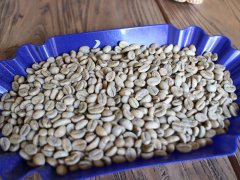
Grading is an important indicator rather than the only indicator: there are thousands of substances in coffee beans, and people's preferences and feelings are different, grading can not show 100% of the flavor of coffee, to find good coffee, testing is the best way. The method of grading: generally speaking, a producing country uses only one method. There are the following: according to the size of coffee beans (Bean size)